Company & Industry News
Stay updated on the latest policies and seize market opportunities

倒计时已开启,华南华北化妆品企业出海印尼,清真认证已成必答题
印尼化妆品强制清真认证将于 2026 年 10 月 17 日生效。华南、华北美妆出口企业需重视 BPJPH 合规要求,正视原料溯源、工厂体系建设等痛点,提前布局认证,规避扣货风险,抢占东南亚市场机遇。

Capture Southeast Asia's Beauty Boom: Halal Certification Becomes a Must for Exporters from South and North China Entering Indonesia
Indonesia's mandatory Halal certification for cosmetics will take effect in 2026 10, placing compliance pressure on numerous cosmetic exporters from South and North China. This article analyzes policy requirements and market opportunities, urging companies to secure BPJPH Halal certification within the window period to avoid customs clearance risks and capture the Southeast Asian beauty market.

Seize the 2026 Halal Certification Window in Indonesia: A Compliance Guide for Domestic Leather Goods Exporters Entering the Indonesian Market
In 2026, Indonesia's mandatory Halal certification came into effect, bringing leather goods under regulatory control. This article analyzes compliance challenges for domestic leather exporters entering the Indonesian market, detailing core factory audit requirements such as the SJPH system, workshop controls, and SOP standards. It provides a compliance strategy to help businesses seize the market window and mitigate export risks.

Chinese Tea Heads to Indonesia: Compliance First as Southern and Northern Producers Face New Halal Certification Challenges from BPJPH
2026 10: Indonesia's BPJPH Halal certification becomes mandatory, presenting a critical compliance hurdle for tea exporters in South and North China. Tea exports are not inherently compliant; production, warehousing, and all auxiliary materials must meet standards. Securing halal certification early helps avoid cargo detention risks and secures access to Indonesia's vast Muslim consumer market.

Time is running out! As home appliance exporters from South and North China enter Indonesia, Halal certification has become a mandatory requirement for market access.
In 2026, the mandatory Halal certification for home appliances in Indonesia took effect. Exporters of home appliances from South and North China now face a tightening compliance window. Home appliances have been added to the restricted list; without BPJPH certification, products risk seizure, delisting, or fines. Securing certification ahead of schedule is critical to mitigating export risks and capturing Indonesia's trillion-dollar home appliance market.

Essential for Food Companies in South and North China Going Global to Indonesia: Halal Certification Is a Mandatory Market Entry Requirement
As Indonesia's mandatory Halal certification policy takes effect, food companies in South and North China face new market entry standards. Legitimate BPJPH registration is now a must for customs clearance and product listing. This article outlines key compliance requirements, factory audit criteria, and industry trends to help food businesses navigate the Indonesian market with confidence and capitalize on export opportunities.
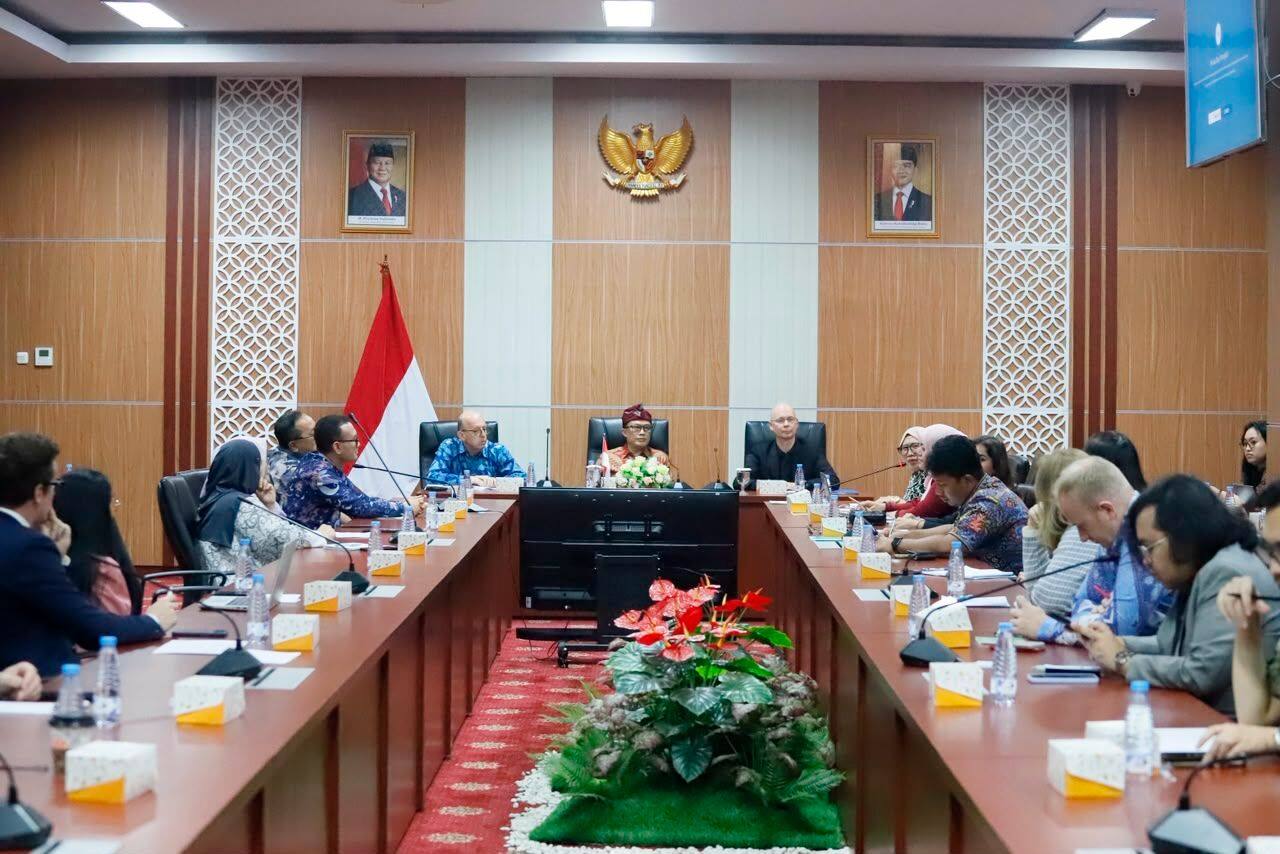
Countdown begins! Leather and luggage manufacturers in South and North China are closely monitoring the mandatory 2026 Indonesia BPJPH Halal certification to secure their core position in Southeast Asian foreign trade.
Starting in 2026, Indonesia's BPJPH Halal certification will become fully mandatory, bringing leather goods under regulatory oversight. Exporters of leather products from South and North China face compliance challenges related to raw materials, accessories, and production controls. This article outlines the new requirements, highlights export risks, and advises companies to complete certification in advance to secure their Southeast Asian markets.

Essential Guide for Chinese Appliance Exporters to Indonesia: Seize the Window of Opportunity and Understand New Prospects for BPJPH Halal Certification
Indonesia's mandatory Halal certification for home appliances will take effect on 2026-10-17. Many Chinese appliance companies face misconceptions. The audit covers the full SJPH system, including raw materials and production line controls. Companies should conduct self-assessments and make corrections in advance to avoid cargo seizures or returns, seize opportunities in the Indonesian market, and establish long-term compliance management.

Seize New Opportunities in the Indonesian Market: North China Luggage Manufacturers Must Prioritize BPJPH Halal Certification
Indonesia's new Halal certification rules are set for mandatory enforcement, now including bags and leather goods. This article alerts North China bag exporters to compliance risks, analyzes key audit requirements, and recommends initiating BPJPH certification early to avoid cargo seizures or returns while seizing opportunities in the Indonesian market.
Capture Indonesia's Trillion-Dollar Leather Market: Halal Certification Essential for South and North China Manufacturers to Unlock New Export Opportunities
As the country with the world's largest Muslim population, Indonesia has become a key hub for leather product exporters from South and North China to enter Southeast Asia, thanks to its massive consumer market and stable foreign trade environment. For years, products such as genuine leather goods from North China, luggage and handbags from South China, and leather accessories have remained popular in Indonesia, capturing more than half of the local imported leather goods market. However, with the implementation of Indonesia's mandatory Halal certification policy in 2026 month 10, the leather export industry is facing a new compliance transformation. BPJPH Halal certification is no longer an optional advantage but a mandatory entry requirement for Chinese leather companies seeking to deepen their presence in the Indonesian market. For export-oriented leather businesses in South and North China, securing Halal certification early has become a critical strategy to break out of domestic competition, solidify market share, and seize new growth opportunities.